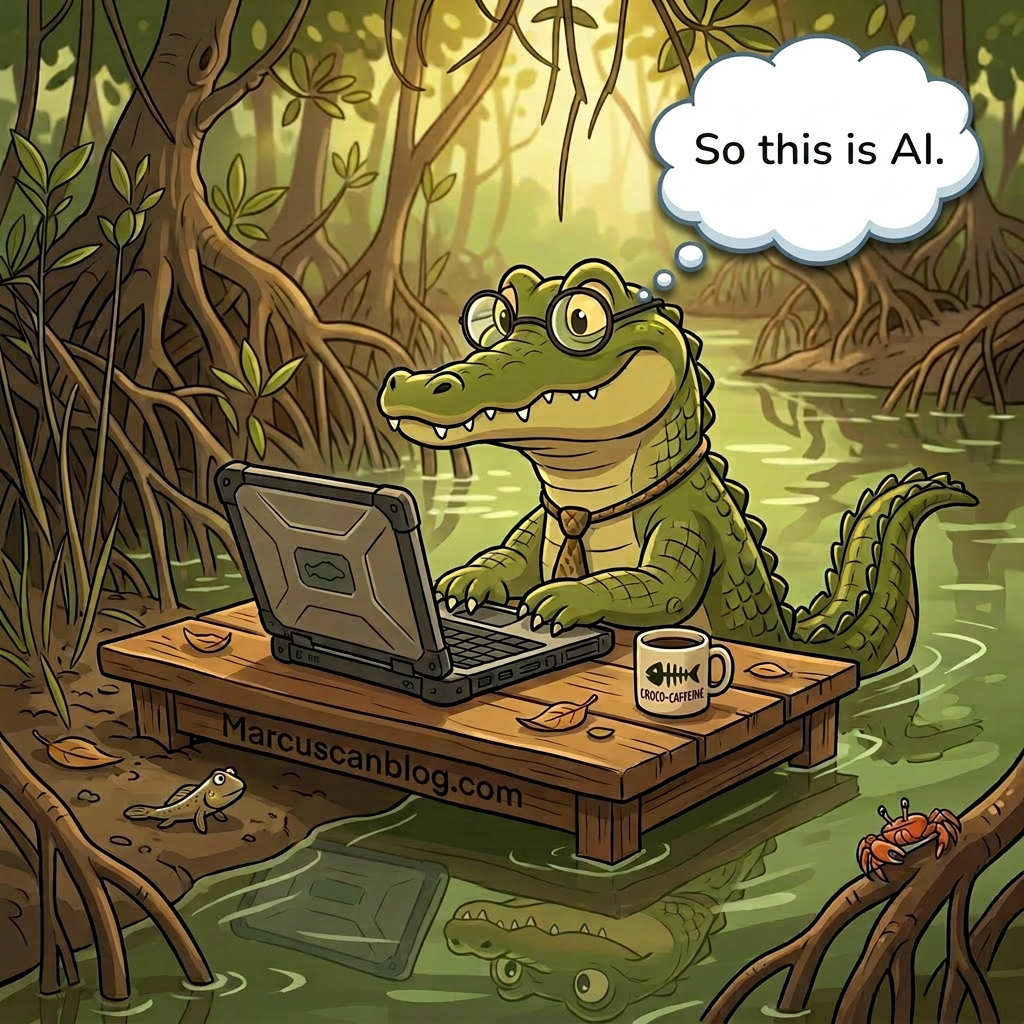
One morning my mother asked me to make some toast for her, so off I went to the kitchen. A few minutes later I returned and handed her the toast.
“I wanted it a little more brown,” she remarked.
So I walked back, adjusted the toaster dial, and popped the bread back in. This time it came out a bit more toasted than before, just how she likes it.
“Could you put some peanut butter on it?” my mother asked.
I scooted back to the kitchen and, in a bit, returned with the toast spread with peanut butter.
“One last request. Could you slice some banana on top of the peanut butter?”
“Sure, no problem,” I replied. In a jiffy, I had the peanut butter and banana toast ready.
This is not my story, but one I heard during a training session on an AI tool. It’s a good example of how multiple trips to the kitchen and back could have been avoided had the request been more specific—and had the son clarified what his mother really wanted from the start.
AI responds better when the right questions are asked. It performs best when prompts are clear, specific, and well structured. “Don’t use AI like Google” became common advice when AI first started gaining popularity. When I discovered Microsoft Copilot, I began to realize that this was true. Later, my previous workplace also started using AI-based tools, making many tasks more effective and efficient. Since then, I’ve never looked back. I became a big fan and an advocate of AI.
Just recently, AI proved itself useful once again.
Marcus’ Xbox Elite Series 2 controller broke down for the second time. The diagnostic tool showed that the B button was constantly being pressed. It was the same issue as before. The first time, I fixed it by opening the controller and cleaning the contacts. A week later, the problem returned. The B button was still being detected as pressed. I was quite sure the contacts were already clean, so this time I decided to ask Gemini for help.
I took a picture of the PCB and asked, “This is the board where the B button is connected. Spot anything that may be causing the issue.”
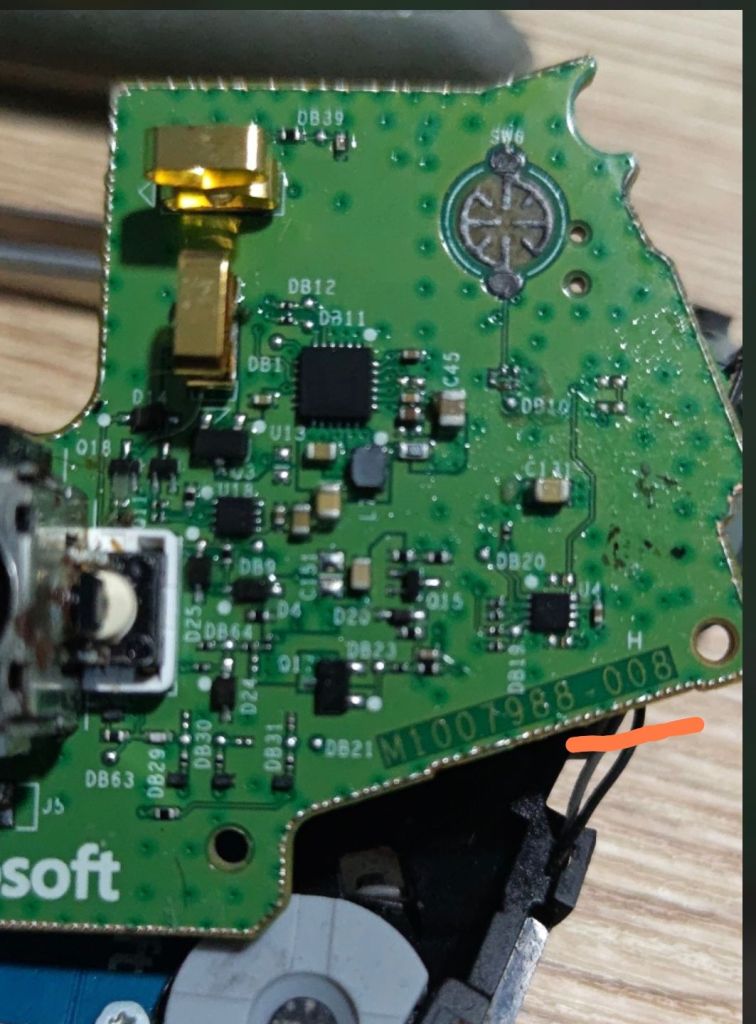
A few seconds later, it responded:
“…there are a few very strong clues pointing to exactly why your B button is registering as constantly pressed… If you look at the right side of the board, specifically around the B button pad (SW6), component D210, and the edge of the PCB, there is a noticeable amount of dark, sticky, or crusty residue…”
Its response went on to enumerate the possible causes and areas of failure.
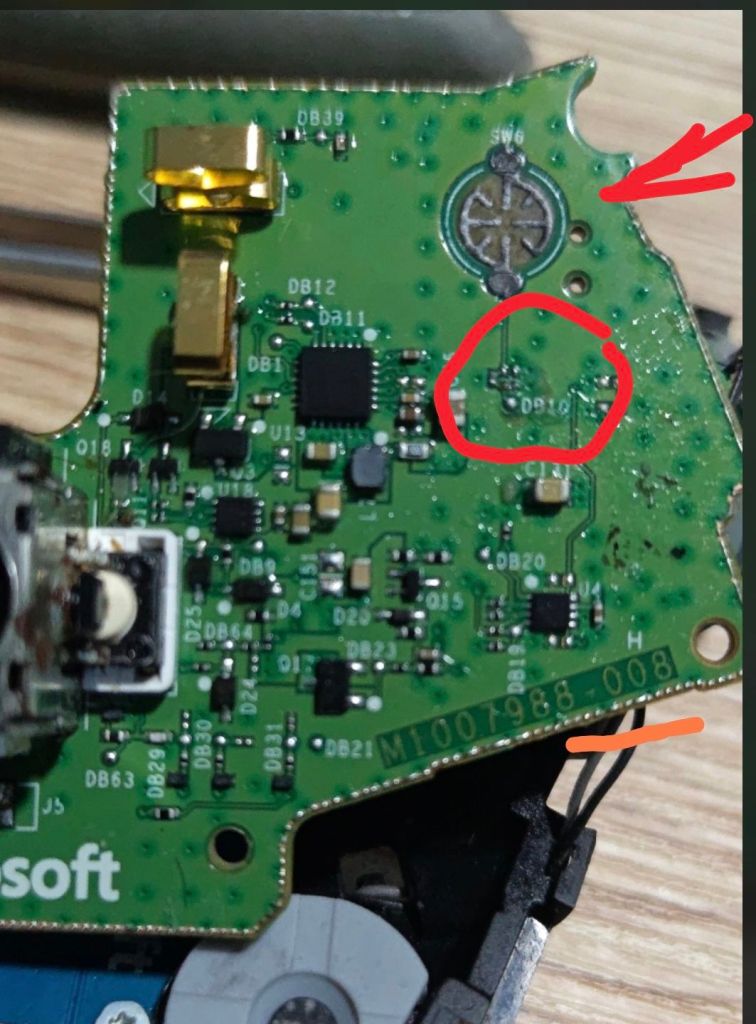
How it came up with such a detailed response just blew me away. Imagine retrieving all that information from data centers around the world and analyzing my image in just a matter of seconds. Wow! Simply unbelievable.
While the component number it identified was slightly incorrect—it was actually DB10—I understood exactly where it was pointing. Sure enough, I found a tiny speck of conductive dirt that was shorting the terminals. After cleaning it, I had the controller working again.
The power of AI.
This wasn’t the first time I had put AI’s troubleshooting abilities to the test.
More than a month ago, I was desperately trying to figure out why our barely used portable generator had stopped producing output voltage even though the engine was running perfectly.

Through Gemini, I was able to locate the culprit: a faulty starter capacitor.
I captured an image of the generator, and Gemini pointed out exactly where the component was housed and explained how to test whether it was still working.
That simple exchange potentially saved me thousands of pesos in repair costs—not to mention the back-breaking effort of hauling the generator to a repair shop.
Sometimes AI isn’t just about writing emails, generating images, or answering questions. Sometimes it’s the mechanic, the technician, and the second pair of eyes that helps you see what you’ve been staring at all along. (I used AI to create my workout plan but that’s another story. )