Becoming the Driver I Used to Wonder About

For years, I’ve told people—sometimes casually, sometimes with real curiosity—how fascinated I am by taxi drivers, Grab, Lyft, Uber, and anyone who seems to genuinely enjoy shuttling people around. There’s something about the rhythm of their work, the stories they collect, the lives they intersect with. When I visited Malaysia again, that fascination resurfaced. Grab made everything easier compared to our first trip in 2007, when getting around meant flagging taxis and hoping for the best.

But it was our last Grab driver who left an impression I didn’t fully understand until days after returning to the Philippines. He was chatty, open, and eager to answer our questions. A few minutes before reaching Central Market, he shared that he once ran an IT business. A sibling rivalry ended with his brother taking over the company. He used to travel abroad almost every year—until everything collapsed. Now he was driving again, rebuilding quietly by being on the road serving passengers.

I didn’t know it then, but that conversation was a preview of my own shift.

The Tuesday after my Holy Week vacation in Malaysia, I found myself suddenly jobless. No warning. No preparation. Just a sudden break from the life I thought I was returning to.

The weeks that followed were filled with job applications—more than 15 if I recall it right. Almost half replied with the familiar line: “We will not be moving forward with your application.” Others stayed pending and only one gave a definite yes: Transportify.

“Be careful what you wish for,” they say. But why not? Pride tugged at me, but curiosity nudged harder. Maybe it was time to finally see what kind of driver I would be.

Beyond needing income, I was drawn to something else: driving is a high‑touch job. It’s future‑proof, at least for the next several years. In simple terms, it’s AI‑safe. And in a country still struggling to modernize jeepneys (and educate its drivers) or build enough charging stations to match the rise of EVs, it’s clear that logistics and transport will remain essential work for a long time.

It’s been two weeks since I dipped my feet into this new world. So far, it’s been an adventure—learning the Transportify app, understanding bookings, trusting Waze, and navigating Manila’s unfamiliar roads. It hasn’t been the most profitable start, but that’s not the point. This is what starting fresh looks like. There’s always a learning curve, and I’m giving myself the space to grow, adjust, and get better.

Maybe this is what I’ve been preparing for without realizing it. Maybe this is the beginning of a story I used to only observe from the outside.

Now, I’m living it. (FYI, I just got my professional driver’s license last Monday.)

The Strange Coincidence I Noticed While Watching The Minimalists: Less Is Now

Don’t I look good in my minimalist workspace?

There’s always been a minimalist in me. I like keeping my stuff simple and clutter‑free. But like anyone else, there’s always room for improvement. Case in point: our cabinet is almost full of clothes—especially since I stopped working.

After getting tired of thriller and crime series, I decided to break the pattern (and the algorithm) by checking out some documentaries. One Netflix suggestion led me back to The Minimalists: Less Is Now. I realized I had already started it long ago because it was tagged “Resume Playing.” So I restarted it from the beginning.

Everything soon looked familiar. I remembered scenes up to about halfway through, but this time I paid more attention to what the hosts and the featured minimalists were saying.

Things got more interesting when one of The Minimalists’ cofounder, Ryan Nicodemus, shared his story. He talked about being called into a meeting by his boss, only to find HR there too. Long story short: he was fired on the spot. That hit close to home. Been there.

It made me wonder—did Netflix somehow sense what happened to me a month ago and push this documentary back into my recommendations? Hard to dodge the algorithm nowadays.

And here’s another funny coincidence: I actually resemble Ryan a wee bit—shoulder‑length hair, facial hair, similar build. Isn’t that interesting.

Last night, I started reevaluating my stuff. The plan is to start small—cables, old chargers, broken electronics. Among other things, I even reset my Garmin and my Apple Watch Series 4 to prepare them for disposal. They’ve served their purpose, and hopefully someone else can still find them useful.

It’s a small step, but it feels like the right direction to being minimalist. More in the next days.

Streamline Your Job Transition with Online Clearances

While the clock is ticking toward my official last day at work in a couple of weeks, I’ve started preparing for the transition to a new job. That means reaching out to old friends who might be able to help, checking JobStreet.com (Lina has become a familiar face in my inbox lately), and gathering the documents I’ll need along the way.

One thing I’m grateful for: the days of standing in long, sweaty government-office queues are mostly behind us. Applying for NBI and police clearances can now be done online, and even the payment of fees can be completed through e-wallets and other online banking options. It’s one of those small but meaningful changes that makes a stressful transition feel a little lighter.

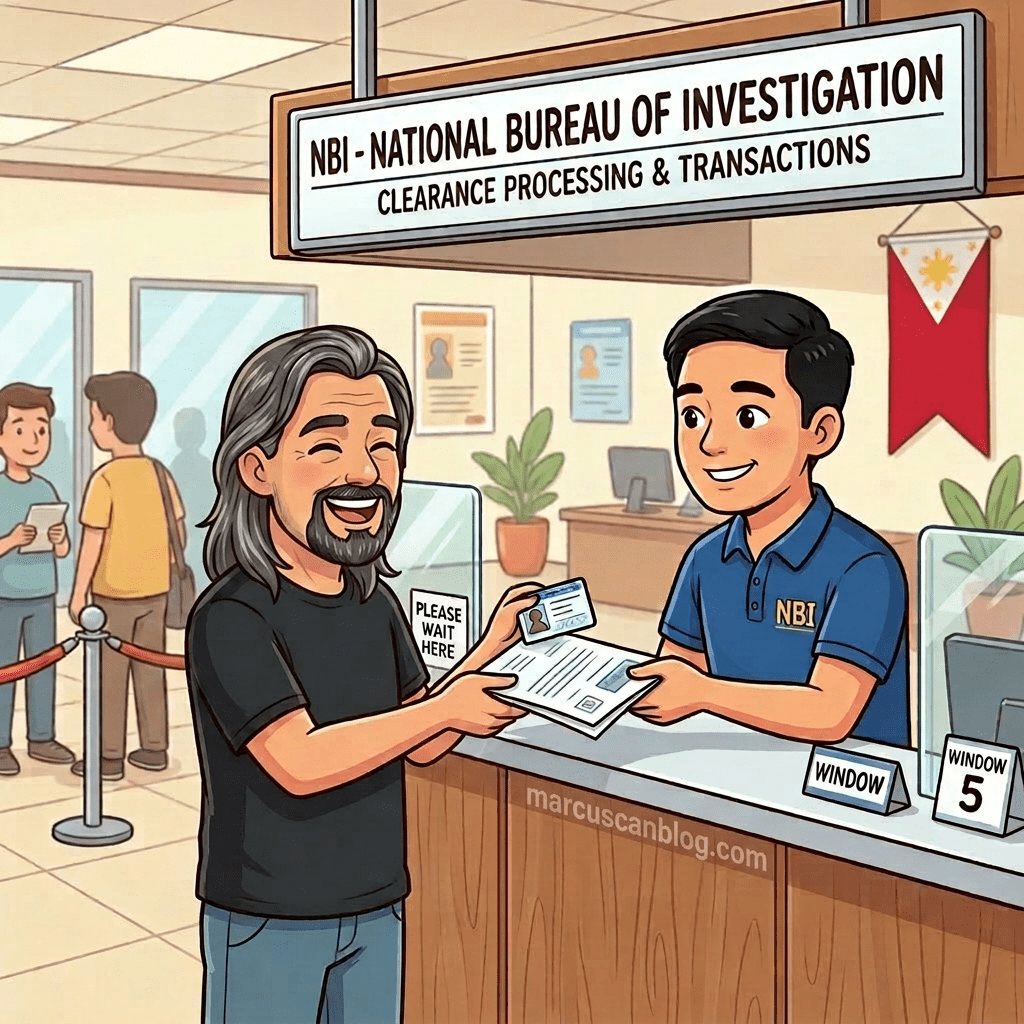
For my NBI clearance, I applied through the online portal and was pleasantly surprised by how smooth the process was. A couple of small things helped: logging in through my phone so my details were easy to access when I needed the reference number, and updating my address online even after setting the appointment. When I finally went to the nearest NBI office, the entire visit took less than 10 minutes. Impressed.

Police clearance is also available online now. Just like with the NBI process, I used GCash to complete the payment. There’s a small additional fee for paying online, but honestly, it’s a reasonable trade-off compared to going to the bank, waiting for your number to be called, and spending half the day in line wondering if the teller is more tired than you are.

I also checked on my mandatory contributions—PAG-IBIG and SSS—which are thankfully accessible through their mobile apps. It’s reassuring to see how many of these steps can now be done from home. Transitions are never easy, but having simpler systems in place makes preparing for what’s next feel a bit more manageable.

Little by little, things are falling into place. And somehow, that makes the approaching last day feel less like an ending—and more like a beginning